
Technonology
Vacuum Infusion
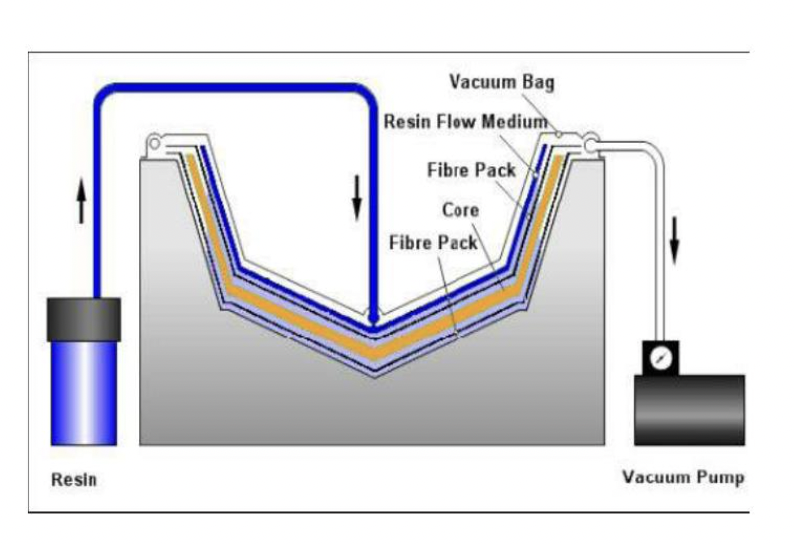
Resin infusion (or vacuum infusion) is an advanced composites manufacturing method. Dry reinforcing fibers, like carbon fiber and carbon/innegra are placed into a mold. A vacuum pump removes the air, and atmospheric pressure then pushes liquid resin through the dry fibers. This creates strong, lightweight parts with flawless finishes
Why Infusion?
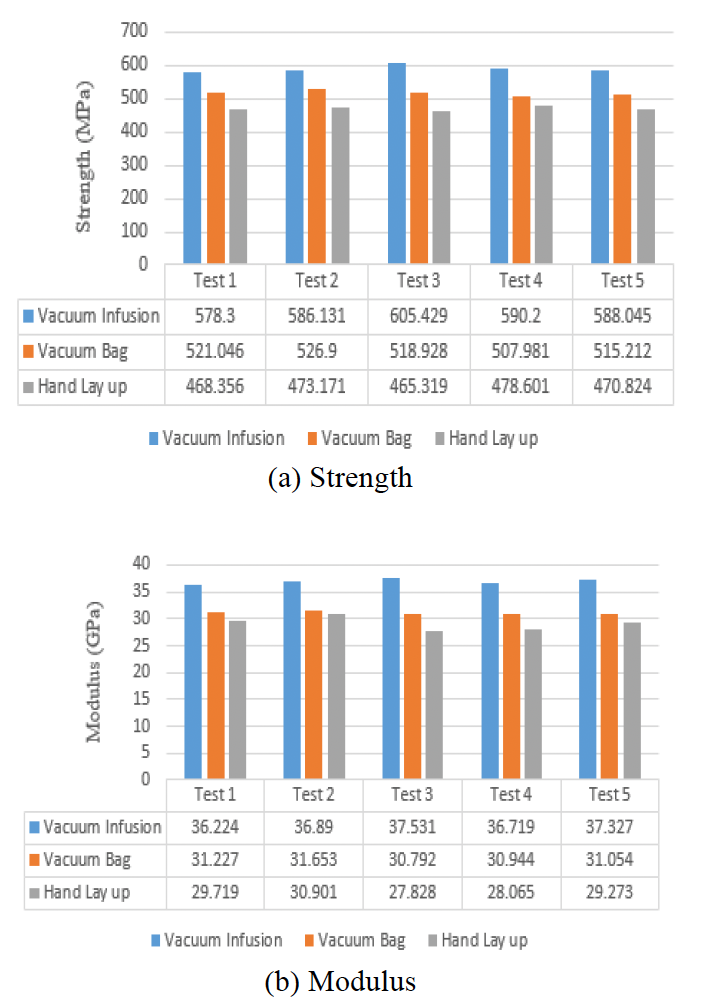
Compared to older, traditional methods (like "wet lay-up" or hand rolling fiberglass), resin infusion offers several major advantages:
Perfect Fiber-to-Resin Ratio: The vacuum forcefully squeezes out excess resin, ensuring the part is heavily fiber-dense and structurally stronger.
No Air Voids: Sucking out the air before adding resin almost entirely eliminates air pockets, which weaken the final part.
Cleaner and Safer: Because the resin is drawn through enclosed tubes, it is a much cleaner process that severely limits workers' exposure to harmful chemical fumes and resins
Carbon construction
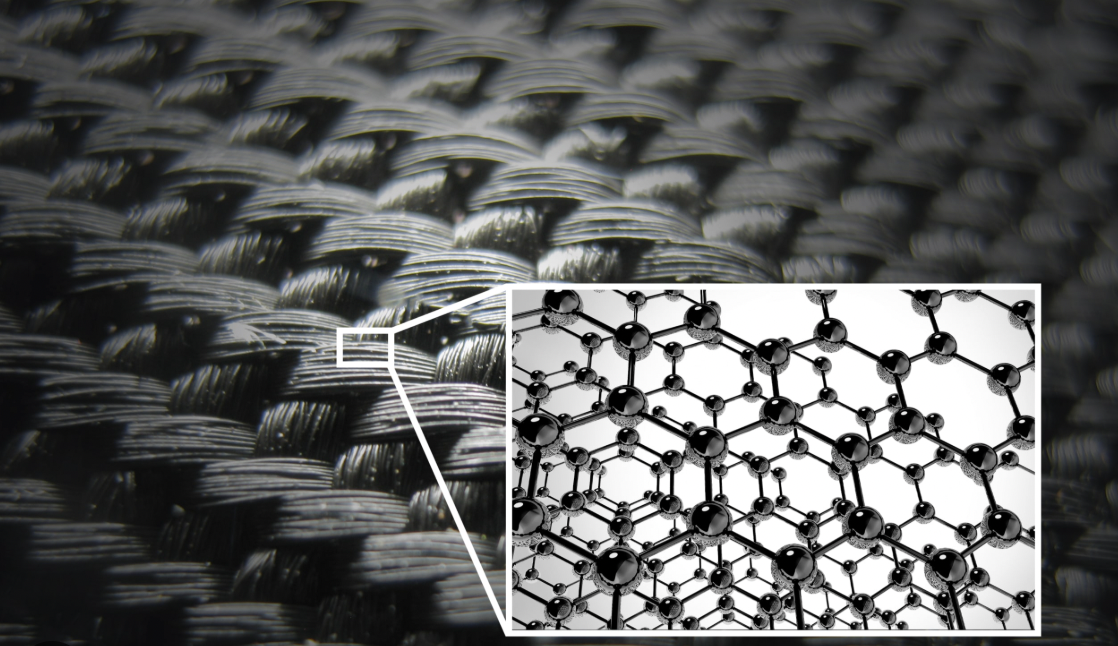
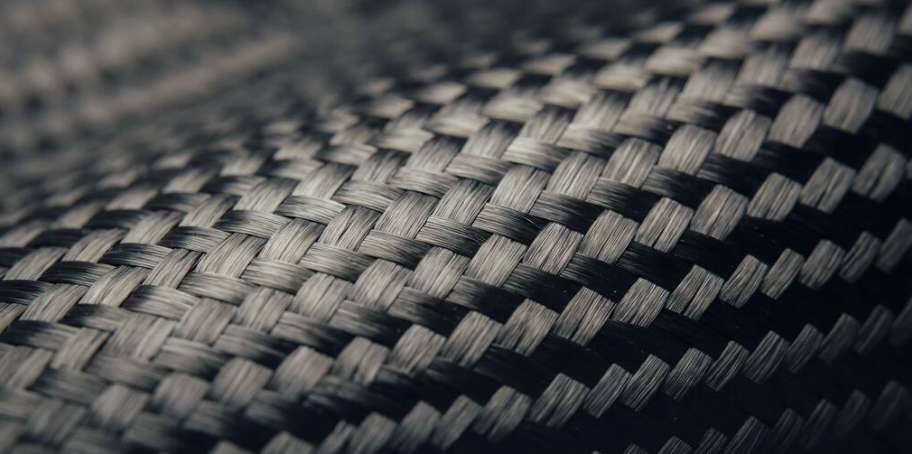
Carbon fiber isn’t just an upgrade from fiberglass — it’s a completely different level of performance. Carbon fiber is substantially lighter and stronger than fiberglass, reducing overall weight while increasing structural rigidity. That means lighter weights with higher poling and running efficiency.
While fiberglass has long been the industry standard, it flexes more under load and typically requires heavier construction to achieve comparable strength. Carbon fiber delivers superior strength-to-weight performance, greater responsiveness, and enhanced long-term durability with less material bulk.
The result is a boat that is faster, more agile, and more refined on the water — built with advanced materials for uncompromising performance.
Innegra
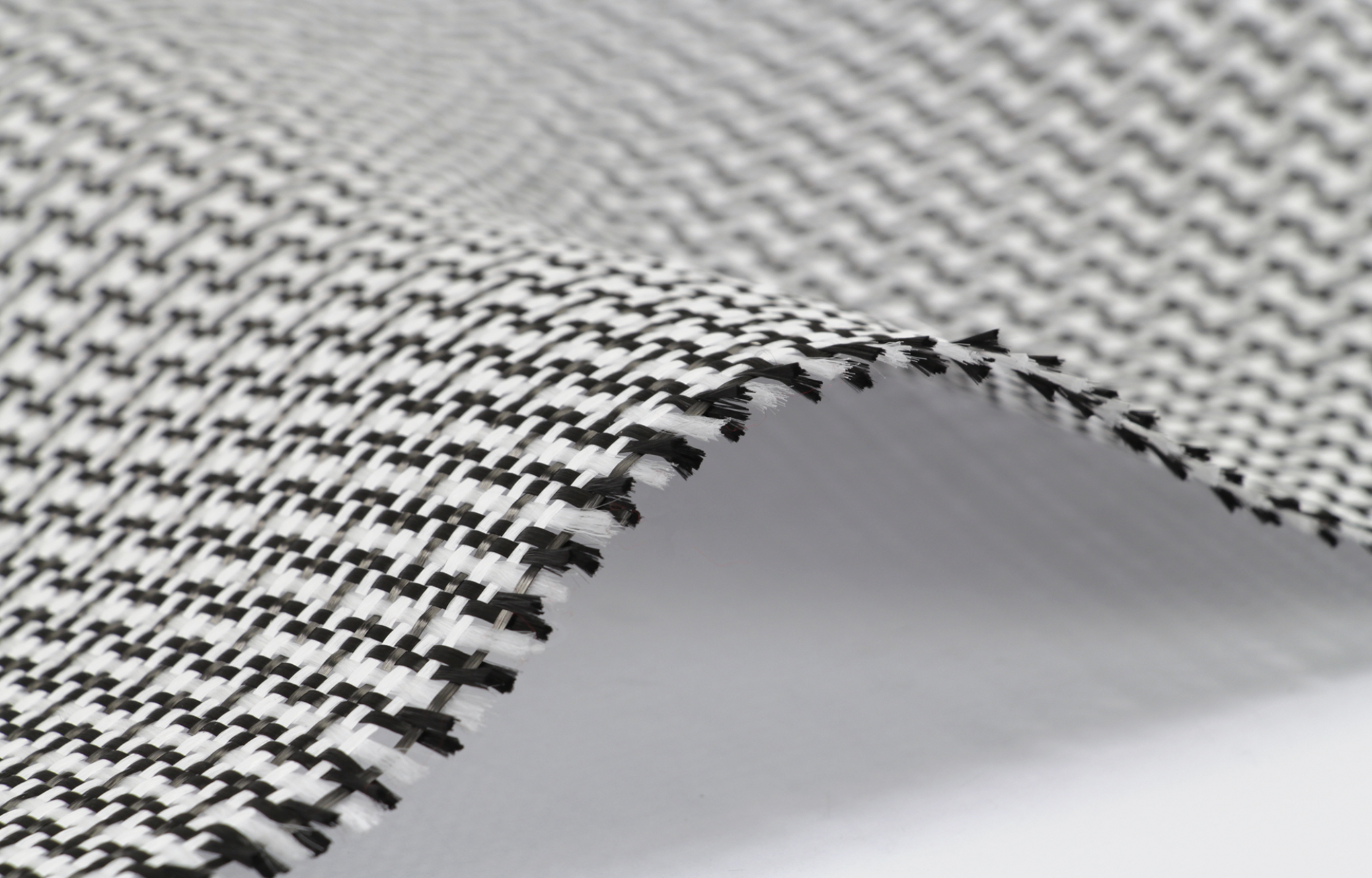
Innegra plays a critical role in improving ride quality in carbon fiber by helping absorb vibration and impact energy that pure carbon construction can transmit through the hull. While carbon fiber is exceptionally stiff and lightweight, that stiffness can sometimes create a harsher, more resonant ride in rough water.
By integrating Innegra fibers into the laminate, we are able to reduce vibration, dampen hull noise, and soften impacts without sacrificing the strength and performance advantages of carbon fiber. The result is a boat that maintains the responsiveness and efficiency of advanced carbon construction while delivering a smoother, quieter, and more comfortable experience on the water — especially in demanding conditions.
CFD Optimization
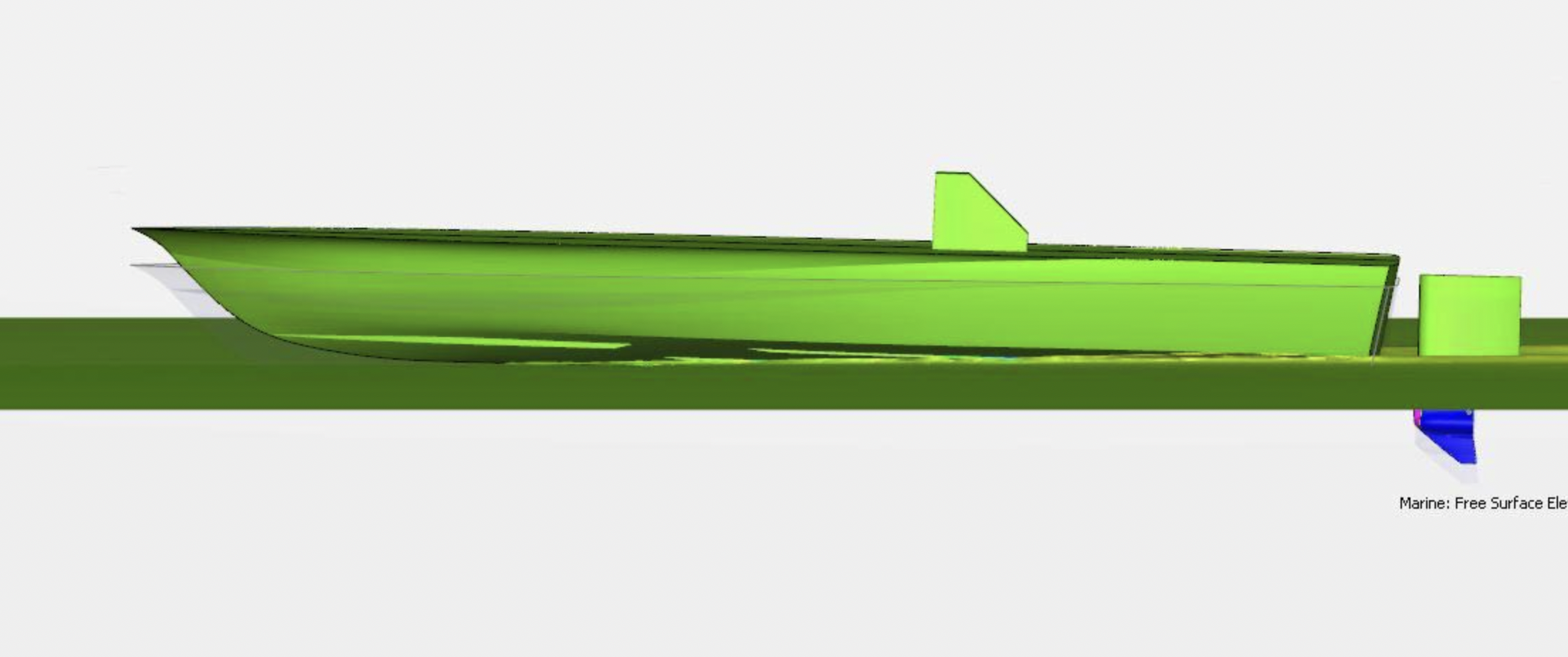
We use Computational Fluid Dynamics (CFD) to refine and optimize our hull designs before they ever touch the water. CFD allows us to analyze water flow, resistance, stability, and performance in a virtual environment, helping us create boats that are faster, more efficient, smoother riding, and better handling.
Advanced CFD analysis also helps us mitigate pressure waves and manage hull-water interaction to reduce localized pressure and turbulence changes that can disturb fish behavior.
